


Upfitting a Chassis Cab: Service Body Options Explained
September 8, 2026 - 8:47:03 am
Quick Summary: Upfitting a chassis cab starts with matching the service body type to the actual trade — a service/utility body for organized compartment storage, a mechanics body when a crane is needed for lifting components, a stake body for lumber and material hauling, or a contractor body for mixed tool storage and hauling. Get the body type right first; everything else (crane capacity, compartment layout, material) follows from that choice.
Upfitting a Chassis Cab Starts With Choosing the Right Service Body Type
Before crane capacity or compartment count, the first decision in upfitting a chassis cab is which body type actually fits the trade. Electricians, plumbers, and HVAC techs need different storage than a mechanic hauling engine parts to a job site, and a contractor hauling lumber needs a completely different bed than either one.
| Body Type | Compartment Layout | Best For | Key Feature |
|---|---|---|---|
| Service/Utility Body | Side compartments plus open or covered cargo area | Electrical, plumbing, HVAC | Organized, weather-protected tool and parts storage |
| Mechanics Body | Larger, sturdier compartments with extensive storage | Field mechanics, equipment repair | Built to carry and mount a service crane |
| Stake Body | Removable stake-rack sides, flat deck | Landscaping, material hauling | Open flatbed with sides for bulky, irregular loads |
| Contractor Body | Over-and-under toolboxes, material rack, hauling platform | General construction | Combines tool storage with a hauling platform |
Mechanics Bodies: What Crane Capacity Do You Actually Need?
A mechanics body is a heavier-duty version of a service body, purpose-built to carry and mount a service crane for lifting engines, transmissions, and other heavy components in the field. Crane capacity varies significantly by class:
- Light-duty electric cranes: 2,000–6,000 lbs capacity, 12–20 ft reach — suited to occasional light maintenance lifts.
- Medium-duty hydraulic cranes: 3,200–8,600 lbs capacity, 15–25 ft reach — the standard choice for regular engine and transmission work.
- Heavy-duty hydraulic cranes: 10,000–14,000 lbs capacity, 20–29 ft reach — reserved for major equipment repair requiring maximum lifting power.
One detail that trips up first-time buyers: capacity drops sharply as the boom extends. A crane rated for 6,000 lbs retracted might only handle 2,000 lbs at a full 20-foot horizontal reach — always check the manufacturer's capacity chart at the actual extension the job requires, not just the headline rating.
How to Choose the Right Service Body for Your Chassis Cab
Step 1: Identify What the Crew Actually Carries
Match the body type to daily work: compartmentalized tool storage points toward a service or utility body, a crane requirement points toward a mechanics body, and hauling lumber or bulk material points toward a stake or contractor body.
Step 2: Match the Body to the Right Chassis Class
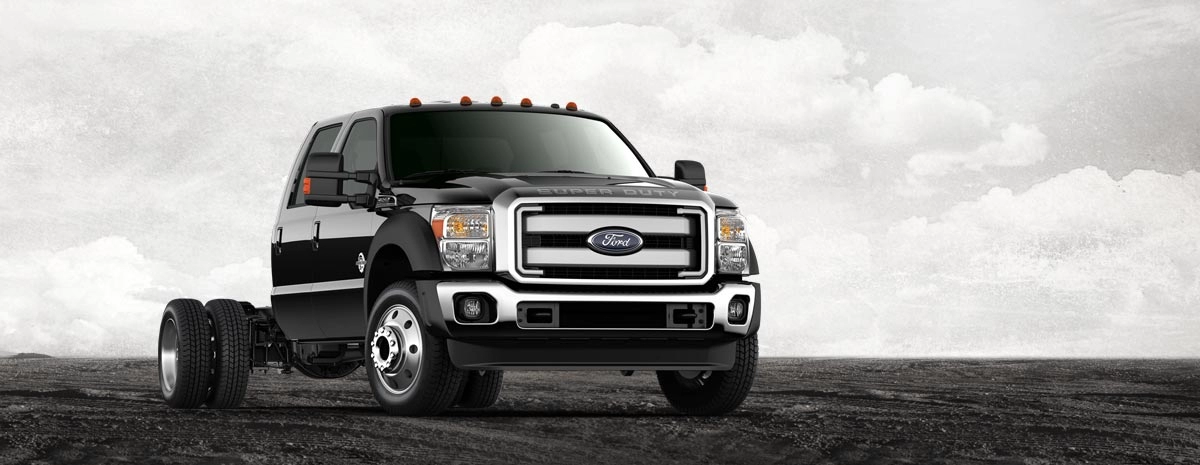
Heavier bodies — especially mechanics bodies with a mounted crane — need a chassis with the GVWR to handle the added weight without cutting into payload. Ford's chassis cab lineup spans the F-350 through F-600, with GVWR climbing at each step to support progressively heavier upfits.
Step 3: Choose Steel or Aluminum Construction
Steel bodies offer maximum strength for heavy-duty, high-abuse applications. Aluminum bodies trade some strength for reduced weight, which can translate directly into additional legal payload — a meaningful factor once a crane, tool inventory, and material load are all competing for the same weight budget.
Spec'ing a Ford Chassis Cab for North Dakota Work
For ND and western MN trades running through real winters, the chassis underneath the body matters as much as the body itself. Wallwork's Ford F-450 and F-650 straight-frame chassis options cover the range from standard service-body duty up to heavier mechanics and contractor upfits. For a broader look at chassis cab basics and industry fit, see Wallwork's chassis cab overview.
Frequently Asked Questions
What's the difference between a service body and a utility body?
The terms are often used interchangeably, but a utility body typically emphasizes enclosed, weather-protected compartments for tools and parts, while a service body can include a mix of open and closed compartments — the exact distinction varies by manufacturer, so confirm the specific configuration rather than assuming from the name alone.
Do I need a mechanics body if I only occasionally lift heavy parts?
Not necessarily. A standard service body with an add-on light-duty crane can cover occasional lifts; a dedicated mechanics body earns its cost when heavy lifting is a regular, daily part of the job.
Should I choose steel or aluminum for my service body?
Steel offers maximum strength for heavy-abuse applications; aluminum reduces tare weight, which frees up legal payload capacity — the right choice depends on whether raw durability or maximum payload matters more for your specific work.
What chassis cab class do I need for a mechanics body with a crane?
It depends on the crane's weight and capacity, but heavier mechanics bodies typically call for an F-550 or larger chassis to keep enough GVWR headroom for the body, crane, and tool inventory combined — confirm the exact combination with your upfitter and dealer before ordering.
Build Your Upfit at Wallwork Truck Center
Getting the service body type right is the foundation of a chassis cab upfit that actually works for your crew every day. Browse Wallwork's Ford chassis cab lineup or contact our sales team to match the right body, chassis, and crane spec to your trade.