


Kenworth vs Peterbilt vs Freightliner: The Ultimate Class 8 Showdown
June 11, 2026 - 8:15:12 am
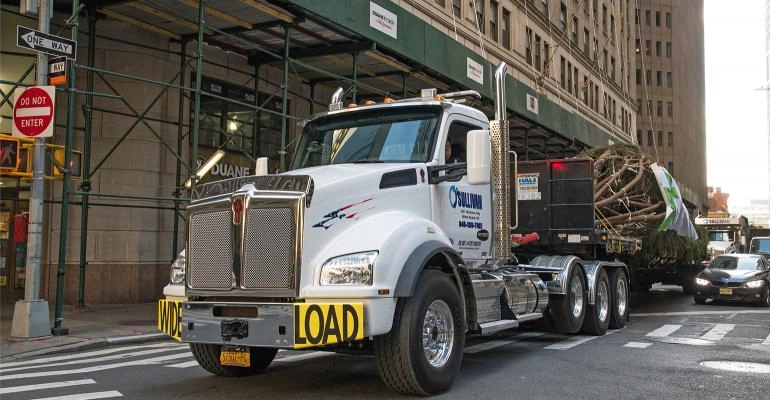
For fleet managers, independent owner-operators, and procurement specialists, selecting a Class 8 tractor is one of the most significant financial investments a business can make. The right truck minimizes total cost of ownership (TCO), optimizes driver satisfaction, and keeps maintenance costs predictable. When analyzing the modern commercial transport market, three brands dominate the landscape: Kenworth, Peterbilt, and Freightliner.
Choosing between Kenworth vs Peterbilt vs Freightliner requires looking past brand loyalty and diving into the structural differences, engineering choices, and resale trajectories of each manufacturer. As an authorized Kenworth dealership, Wallwork Truck Center works closely with transport operations to navigate these distinct operational profiles.
This comprehensive guide breaks down how these three manufacturing giants compare across purpose, cost, and design.
1. The Core Philosophy (Target Audience)
Every truck manufacturer designs its vehicles around a foundational business thesis. Understanding for whom a truck was built helps clarify its strengths on the road.
Freightliner: The High-Volume Efficiency Play
Often described as the "Ford Taurus" of the trucking industry, Freightliner focuses heavily on mass-market optimization. These trucks are engineered for maximum uptime, high-mileage fleet applications, and highly cost-effective operations. Freightliner prioritizes lightweight materials and aerodynamic predictability to deliver the lowest possible operational entry barrier for large-scale logistics operations.
Kenworth: Built by Truckers, for Truckers
Kenworth positions its vehicles at the critical intersection of premium craftsmanship and mechanical efficiency. It hits the definitive sweet spot for owner-operators and discerning fleets who demand classic styling and robust build quality combined with great fuel economy and exceptionally durable, driver-focused sleepers. Kenworth engineering balances heritage with forward-looking aerodynamics.
Peterbilt: The Prestige of the Highway
Peterbilt commands the "king of the road" status, leaning heavily into a premium, muscular aesthetic. These trucks are heavily favored by owner-operators who place a premium value on prestige, chrome accents, and uncompromising cab comfort. Peterbilt focuses on creating a classic ownership experience that acts as both a functional tool and a rolling badge of honor.
2. Flagship Models Compared
The flagship models of each brand showcase their engineering priorities in action.
Freightliner Cascadia
The Freightliner Cascadia is the undisputed leader in new Class 8 commercial sales. Its exterior design is heavily optimized for aerodynamics to lower parasitic drag and maximize highway MPG. The Cascadia is built to be a highly efficient, highly standardized mobile office that delivers reliable linehaul performance across massive multi-vehicle fleets.
Kenworth T680
The Kenworth T680 is highly regarded across the industry for its exceptional build quality and its excellent blend of traditional structural integrity and advanced technology. The T680 features tight cab tolerances, premium interior materials, and an advanced digital dashboard centering on large, highly customizable digital displays that put real-time telemetry directly into the driver's line of sight.
Peterbilt 579
The Peterbilt 579 targets premium highway performance. It is widely recognized for its unmatched cab ergonomics, top-tier interior trim options, and a quiet, heavy-duty cab structure that handles the vibrations of long-haul trucking without developing early rattles or hardware loosening.
3. Engines and Powertrains
A truck's profitability is deeply linked to how its powertrain translates fuel into forward momentum. The engine and transmission choices vary significantly among these brands.
Freightliner's Integrated Ecosystem
Freightliner usually relies on a unified Detroit integrated powertrain. This setup pairs proprietary engines like the Detroit DD15 with automated manual transmissions like the Detroit DT12. This single-source software and mechanical integration allows the engine and transmission to communicate with minimal latency, maximizing fuel economy through synchronized downspeeding.
The PACCAR Synergy: Kenworth & Peterbilt
Because Kenworth and Peterbilt are both manufactured by PACCAR, they share a highly advanced, integrated component ecosystem.
- Proprietary Power: Both brands frequently feature the highly reliable PACCAR MX series engines (such as the MX-11 and MX-13) paired with PACCAR automated transmissions. These components utilize compact graphite iron (CGI) blocks to reduce tare weight while extending engine lifespans.
- Heavy-Duty Versatility: Unlike highly restricted fleet platforms, Kenworth and Peterbilt maintain a strong commitment to vocational flexibility. Both brands offer heavy-duty Cummins X15 engine options, providing operators with access to up to 605 horsepower and 2,050 lb-ft of torque for extreme heavy-haul and mountain terrain duties.
4. Cost vs. Resale Value
The financial lifecycle of a Class 8 truck must account for both the initial capital expenditure and the final asset liquid value.
Initial Cost
Freightliner is generally the more affordable option upfront. Its high-volume manufacturing model allows it to offer a lower initial purchase price, making it highly attractive to rapidly growing fleets tracking upfront capital constraints. Kenworth and Peterbilt carry a premium, higher initial price tag due to their upgraded interior appointments, aluminum cab structures, and enhanced engineering tolerances.
Resale Value
The secondary market reverses the financial dynamic completely. Peterbilt stands as the undisputed king of resale value, commanding premium prices even with high mileage. Kenworth holds its asset value exceptionally well, protecting the initial investment over a five-to-seven-year lifecycle. Conversely, Freightliner models tend to depreciate faster, largely due to high-volume fleet saturation in the used truck marketplace.
Financial Lifecycle Metric Matrix
| Metric | Freightliner | Kenworth | Peterbilt |
|---|---|---|---|
| Upfront Investment | Low | Medium-High | High |
| Depreciation Curve | Rapid | Gradious / Stable | Minimal |
| Secondary Market Demand | Moderate | High | Exceptionally High |
| Component Standardization | High | Highly Customizable | Highly Customizable |
5. Pros and Cons at a Glance
Freightliner
- Pros: Cheaper and highly available replacement parts; certified mechanics available almost anywhere; exceptional out-of-the-box highway MPG.
- Cons: Highly standardized interiors lacking unique customization; higher presence of interior composite materials ("plastic" feel); generally lower long-term resale value.
Kenworth
- Pros: Great structural balance of modern aerodynamic efficiency and long-hood driver appeal; excellent, quiet sleeper space; high build quality utilizing stamped aluminum cab panels.
- Cons: Advanced technology packages on newer models can feel too modern for traditional purists; specialized custom parts can occasionally experience longer lead times.
Peterbilt
- Pros: Superior overall cab comfort and premium trim finishes; immense room for custom spec'ing and styling; top-tier resale value on the secondary market.
- Cons: Smaller overall dealer support network compared to high-volume fleet brands; higher initial capital investment required per unit.
Navigating Your Next Fleet Investment
Deciding where your operation lands in the Kenworth vs Peterbilt vs Freightliner comparison ultimately depends on your underlying business strategy. If your primary objective is low upfront procurement costs and high standardization across thousands of drivers, Freightliner provides a functional fleet solution.
However, if your business metrics prioritize driver retention, premium uptime technology, structural longevity, and high asset value preservation at trade-in time, the PACCAR platforms lead the industry.
As a dedicated Kenworth dealership, Wallwork Truck Center has the specialized diagnostic equipment, fleet spec'ing software, and technical expertise to help you build custom Kenworth tractors designed around your exact weight configurations and route profiles. Contact our commercial sales department today to run a complete lifecycle cost analysis for your business.