


Kenworth T680 vs. Freightliner Cascadia: Fleet Cost of Ownership Comparison
May 21, 2026 - 8:55:49 am
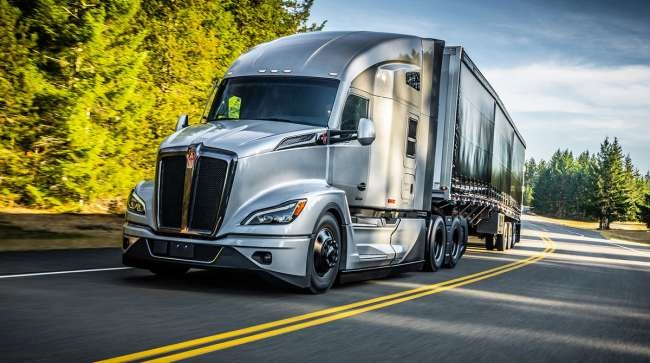
When calculating the profitability of a heavy-duty fleet, the initial dealership purchase price is only a fraction of the financial equation. True fleet efficiency is measured in cents-per-mile, dictated by fuel consumption, maintenance schedules, and unexpected downtime. When evaluating long-haul and regional Class 8 trucks, fleet managers consistently narrow their choices down to two industry heavyweights: the Kenworth T680 vs. Freightliner Cascadia.
Both trucks represent the pinnacle of modern aerodynamics and advanced driver assistance systems. However, their distinct approaches to powertrain integration and scheduled maintenance drastically influence their long-term profitability.
At Wallwork Truck Center, our commercial fleet specialists analyze the data behind the sheet metal. This comprehensive, data-heavy spec guide breaks down how the Kenworth T680 and Freightliner Cascadia compare regarding Total Cost of Ownership (TCO).
Top 5 Factors Lowering Total Cost of Ownership (TCO)
To accurately forecast fleet profitability, operators must focus on the metrics that directly impact their operating ratio. The top five factors that lower TCO in modern Class 8 trucks are:
- Fuel Efficiency via Predictive Cruise Control: Utilizing GPS and 3D topographical maps to proactively adjust engine throttle and transmission gearing before the truck reaches a grade, eliminating wasted fuel.
- Remote Diagnostics Integration: Employing real-time telematics to monitor engine health, allowing fleet managers to triage minor sensor faults over-the-air before they escalate into catastrophic roadside breakdowns.
- Extended Engine Maintenance Intervals: Utilizing advanced synthetic oils and high-capacity filtration systems to push routine shop visits further apart, maximizing the truck's revenue-generating uptime.
- Optimized Powertrain Synchronization: Ensuring the engine and automated transmission share a proprietary software language, reducing shift hunting and keeping the engine in its most efficient low-RPM "sweet spot."
- Aerodynamic Drag Reduction: Minimizing wind resistance through flush-mounted cab extenders, sloped hoods, and specialized bumper air dams, which can reduce fuel burn by a measurable percentage at highway speeds.
Mastering the Terrain: Predictive Cruise Control
With diesel fuel consistently representing one of the largest operating expenses for any fleet (often accounting for 25% to 30% of total running costs), technology that automates fuel-efficient driving habits is critical.
Kenworth T680 Predictive Cruise Control
The Kenworth T680 approaches fuel economy through highly sophisticated powertrain integration. Its Predictive Cruise Control system pairs seamlessly with the PACCAR MX engine and automated transmission. By reading the road ahead via satellite mapping, the T680 anticipates elevation changes. It will automatically hold a gear to clear a crest or engage "neutral coast" on a descent, utilizing the truck's momentum to save fuel without driver intervention. This integrated logic ensures that even novice operators can achieve veteran-level MPG figures.
Freightliner Cascadia Predictive Operations
The Freightliner Cascadia utilizes a similar topographical strategy through its proprietary powertrain management system. It relies heavily on integrated aerodynamic styling and automated shifting algorithms to maintain momentum over rolling hills, actively preventing the unnecessary downshifts that spike fuel consumption.
Minimizing Downtime: Remote Diagnostics Integration
A truck parked in a service bay is a truck losing money. The ability to foresee mechanical issues before a dashboard light turns red is a revolutionary advantage in reducing TCO.
Kenworth TruckTech+ Remote Diagnostics
The Kenworth T680 comes equipped with Kenworth TruckTech+. This system monitors the engine and aftertreatment systems in real-time. If a fault occurs, the system instantly notifies the fleet manager and your service team at Wallwork Truck Center. Crucially, it categorizes the fault: it tells you if the driver needs to pull over immediately to prevent engine damage, or if the truck can safely complete its delivery and schedule a service appointment later. This actionable data prevents expensive tow bills and protects the fleet's delivery reputation.
Freightliner Cascadia Telematics
The Freightliner Cascadia is also highly connected, utilizing its own proprietary suite of remote diagnostic tools to transmit engine fault codes and performance data back to fleet headquarters, aiming to streamline the triage process when a truck arrives at a dealership.
Maximizing Uptime: PACCAR MX Engine Maintenance Intervals
Routine maintenance costs—including oil, filters, and shop labor—add up over a 500,000-mile lifecycle. Extending the intervals between these services is one of the most effective ways to lower the cents-per-mile operating cost.
The PACCAR MX-13 Advantage in the Kenworth T680
The Kenworth T680, when equipped with the highly efficient PACCAR MX-13 engine, offers a significant mathematical advantage in shop scheduling.
- Oil and Filter Intervals: For standard linehaul operations (where idle time is kept under 20%), the PACCAR MX-13 features an astonishing oil and filter change interval of up to 75,000 miles.
- Fuel Filtration: The primary fuel filters also align with this 75,000-mile interval, allowing for consolidated, single-visit maintenance events.
- Diesel Particulate Filter (DPF): The DPF cleaning interval is pushed out to an impressive 300,000 miles.
- Weight Savings: Beyond maintenance, the 12.9-liter PACCAR MX-13 is designed to be highly compact, weighing up to 450 lbs less than traditional 15-liter engine blocks. This weight reduction directly translates into increased legal payload capacity, allowing fleets to bill for more freight on every dispatch.
While the Freightliner Cascadia also boasts respectable maintenance intervals with its proprietary engines, the precise alignment of the PACCAR MX-13's 75,000-mile service intervals creates a highly predictable and cost-effective maintenance cadence for Kenworth operators.
Spec Your Fleet for Maximum Profitability
Choosing between the Kenworth T680 vs. Freightliner Cascadia requires a deep understanding of your specific route data, payload requirements, and maintenance strategy.
While both vehicles offer exceptional technology, the Kenworth T680's integration of predictive shifting, actionable remote diagnostics via TruckTech+, and the remarkably long maintenance intervals of the PACCAR MX engine provide a compounding financial advantage over the life of the truck.
At Wallwork Truck Center, we are dedicated to lowering your Total Cost of Ownership. Contact our commercial fleet department today to run a complete TCO analysis and custom-spec a Kenworth T680 that will maximize your bottom line.