


Kenworth T680 Next Gen vs. Peterbilt 579: On-Highway Fuel Efficiency Showdown
April 07, 2026 - 8:29:35 am
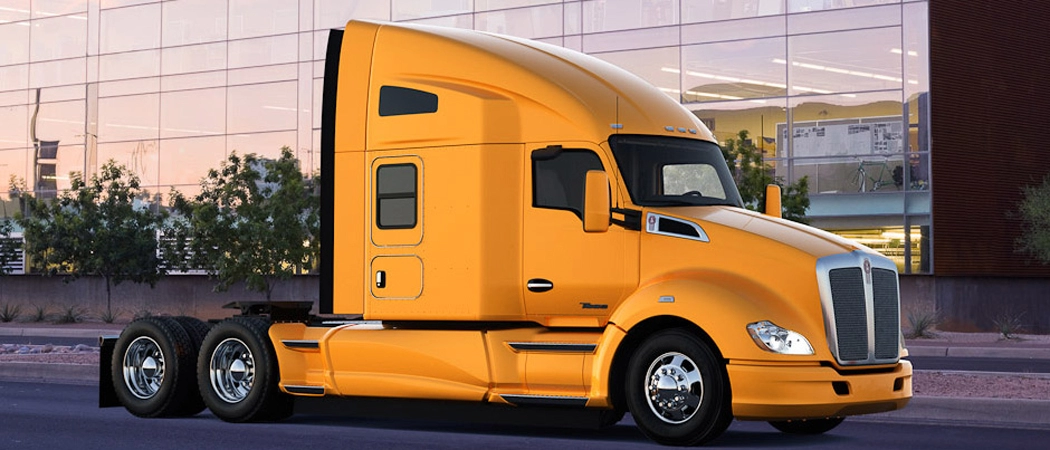
In the highly competitive world of linehaul trucking, fuel is your largest variable operating expense. A fraction of a mile per gallon can be the difference between a highly profitable quarter and simply breaking even. When fleet managers and owner-operators look for the ultimate on-highway tractor, the conversation almost always narrows down to two corporate siblings: the Kenworth T680 Next Gen vs. Peterbilt 579.
Both of these Class 8 heavyweights represent the pinnacle of modern truck engineering. They share a legendary pedigree, but their distinct approaches to cab architecture, aerodynamic wind deflection, and driver-centric design set them apart.
If you are looking to upgrade your fleet's fuel economy, this comprehensive guide breaks down the aerodynamics, powertrain integration, and cab comfort of both models. As a Kenworth-certified dealer, Wallwork Truck Center has the technical expertise to help you understand these specifications and maximize your bottom line.
Aerodynamics: Slicing Through the Wind
At highway speeds, over half of your fuel is burned simply pushing air out of the way. Both manufacturers utilized advanced Computational Fluid Dynamics (CFD) and millions of miles of real-world testing to sculpt these tractors, but their approaches to cheating the wind differ.
A-Pillar Design and Wind Resistance
The A-pillar (the structural support on either side of the windshield) is a notorious source of aerodynamic drag and wind noise.
- Kenworth T680 Next Gen: Kenworth redesigned the greenhouse of the T680 Next Gen to be exceptionally sleek. It utilizes advanced A-pillar deflectors and sharply raked turning vanes. By guiding airflow seamlessly from the hood, past the A-pillars, and tightly down the sides of the cab, the T680 Next Gen drastically reduces the turbulent wake that causes drag. This design also significantly reduces in-cab wind noise.
- Peterbilt 579: The 579 features an integrated A-pillar fairing designed to capture air and direct it smoothly across the side of the cab. Combined with its aerodynamic mirror heads and air dam below the bumper, the 579 effectively manages crosswinds and minimizes front-end drag.
Chassis Fairings and Wheel Well Closeouts
- Kenworth T680 Next Gen: Kenworth introduced a narrower hood and aggressively styled bumper air dams. The truck features flexible lower fairing extensions, tandem drive axle fairings, and innovative 28-inch side extenders with hinged doors. These features close the gap between the tractor and the trailer, ensuring airflow does not get trapped behind the cab.
- Peterbilt 579: The 579 utilizes sculpted chassis fairings with kick-outs and advanced wheel well closeouts to prevent air from getting caught in the wheel arches, maintaining a smooth stream of air beneath the chassis.
PACCAR Powertrain Integration
While their exterior shells differ, the heart of the Kenworth T680 Next Gen vs. Peterbilt 579 debate centers on the shared foundation beneath the hood: the highly efficient PACCAR powertrain.
True fuel efficiency is achieved when the engine, transmission, and axles communicate flawlessly. Both the Kenworth T680 Next Gen and the Peterbilt 579 are engineered to leverage the fully integrated PACCAR powertrain, ensuring no horsepower is wasted.
- PACCAR MX-13 and MX-11 Engines: Designed for maximum fuel economy and low operating weights, these engines offer broad torque curves (up to 1,850 lb.-ft.) that peak at very low RPMs. This "downspeeding" allows the truck to cruise at highway speeds while the engine barely breaks a sweat, burning significantly less fuel.
- PACCAR TX-12 Automated Transmission: This lightweight, 12-speed automated transmission is programmed to optimize shifts based on engine load, grade, and throttle position. It eliminates human error in shifting, ensuring every driver in your fleet achieves expert-level fuel economy.
- PACCAR 40K Tandem Rear Axles: Featuring a first-of-its-kind pinion thru-shaft design, these axles reduce internal friction and power loss, transferring maximum engine power straight to the pavement while saving up to 150 lbs of tare weight.
Summary: Drag Reduction and Powertrain Specs
Below is a technical comparison of the estimated efficiency gains, drag-reduction designs, and powertrain capabilities of both models.
| Metric / Feature | Kenworth T680 Next Gen | Peterbilt 579 |
|---|---|---|
| Aerodynamic Efficiency Gain | Up to 6% improvement over the classic Kenworth T680 | Up to 7% improvement over the previous base 579 models |
| Estimated Annual Fuel Savings | ~$2,500 - $3,500 per truck (based on 100,000 miles/year) | ~$2,500 - $3,500 per truck (based on 100,000 miles/year) |
| A-Pillar / Wind Resistance Design | Sharply sloped hood, turning vanes, and sleek A-pillar deflectors | Integrated A-pillar fairings and sculpted mirror heads |
| Powertrain Integration | Fully integrated PACCAR MX-13 / MX-11 with TX-12 | Fully integrated PACCAR MX-13 / MX-11 with TX-12 |
| Max Torque / Horsepower | Up to 1,850 lb.-ft. / Up to 510 hp (MX-13) | Up to 1,850 lb.-ft. / Up to 510 hp (MX-13) |
(Note: Exact fuel savings depend on payload, route topography, and driver behavior.)
Inside the Cab: Driver Comfort Features
Fuel efficiency gets a truck bought, but driver comfort keeps the truck running. Driver retention is a massive hidden cost in fleet management, and both trucks offer premium environments to keep drivers rested and productive.
Kenworth T680 Next Gen: The High-Tech Command Center
Kenworth focused heavily on technology and ergonomic refinement for the Next Gen model.
- 15-Inch Digital Display: The centerpiece of the dash is a fully customizable, high-definition 15-inch digital display. Drivers can configure the screen to show as many or as few gauges as they prefer, reducing cognitive fatigue.
- Torque Assisted Steering: This system actively adjusts the steering effort based on the truck's speed, making it effortless to back into tight docks while providing firm, stable control at highway speeds.
- 76-Inch Sleeper: The spacious 76-inch high-roof sleeper offers a rotating passenger seat, a pull-out workstation, a microwave, and a premium memory foam mattress, making it a true home on the road.
Peterbilt 579: The Ergonomic Living Space
The 579 is renowned for its traditional yet luxurious approach to cab design.
- The UltraLoft Sleeper: Peterbilt’s 80-inch UltraLoft sleeper provides a massive 8 feet of headroom and an incredible 70 cubic feet of storage. It is designed to accommodate the industry's largest mattresses and can hold up to a 32-inch television.
- Quiet Cab Technology: The 579 features acoustically tuned engine mounts, a crank-mounted fan, and an engine-mounted air cleaner to keep vibration and decibel levels to an absolute minimum during operation.
The Verdict: Maximizing Your Linehaul Profitability
When comparing the Kenworth T680 Next Gen vs. Peterbilt 579, both trucks stand as monumental achievements in commercial vehicle engineering. They both leverage the outstanding fuel efficiency of the PACCAR powertrain.
However, the Kenworth T680 Next Gen takes a distinct lead in technological integration and raw aerodynamic shaping. Its ultra-sleek A-pillar design, customizable digital dash, and intelligent Torque Assisted Steering make it the ultimate tool for fleets prioritizing maximum MPG and driver retention in the modern era.
Are you ready to see how the Kenworth T680 Next Gen can drastically reduce your annual fuel expenditure? As a premier Kenworth-certified dealer, Wallwork Truck Centerhas the inventory, the knowledge, and the exact aerodynamic packages your fleet needs to succeed. Reach out to our commercial sales team today to spec your next high-efficiency tractor.