



DEF 101: Storage, Handling, and Common Problems
November 19, 2026 - 9:42:18 am
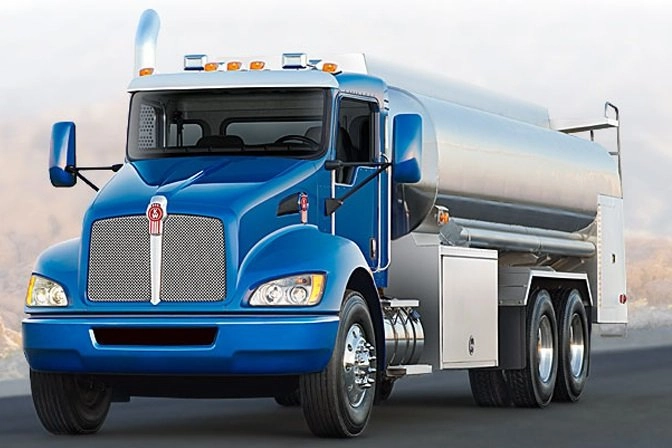
Quick Summary: Diesel exhaust fluid (DEF) is a solution of 32.5% urea and 67.5% deionized water that a truck’s SCR system injects to cut NOx emissions. For good DEF storage and handling, keep it indoors below 86°F and out of sunlight, use only DEF-dedicated containers and equipment, and test it with a refractometer when quality is in doubt. Most DEF problems trace back to contamination, heat, or crystallization.
It is mid-November. Harvest is winding down, the first hard freezes are here, and overnight lows are closing in on the 12°F point where DEF freezes. A truck that sat cold starts up and the dash lights up with a DEF warning. Or worse, it goes into limp mode on a county road an hour from the shop. Most DEF failures are not mysterious. They start with a dirty funnel, a jug left in the sun, or a tank that sat for a year. This guide covers what DEF is, how to store and handle it, and how to spot the common problems before they cost you a day.
What Is Diesel Exhaust Fluid (DEF) and What Does It Do?
Diesel exhaust fluid is required on diesel engines built after 2010 as part of the selective catalytic reduction (SCR) system. The system injects DEF into the hot exhaust stream, where it breaks down and releases ammonia. The ammonia reacts with NOx in the SCR catalyst and converts it to nitrogen and water. A truck typically uses DEF at a rate of about 5% to 10% of its diesel consumption.
DEF is 32.5% urea and 67.5% deionized water, and the purity standard is ISO 22241. Small changes in that mix matter. A fluid that is too dilute or too concentrated, or that carries dirt or fuel, can foul the catalyst and trip sensors.
Heat is DEF’s biggest enemy in storage. Urea begins to break down at around 86°F, so shelf life shrinks as the temperature climbs. The table below shows typical figures from FleetOwner and Fleet Maintenance DEF guides. Check the date code on the container, since figures vary by manufacturer.
| Storage Condition | What Happens to DEF | What to Do |
|---|---|---|
| 50°F or lower | Shelf life of roughly 36 months | Ideal for long-term storage |
| About 77°F (room temperature) | Shelf life of about 18 months | Normal indoor storage |
| 86°F | Useful life drops to about 12 months | Rotate stock, oldest first |
| Above 95°F | Shelf life can fall to as little as 6 months | Test before use |
| Below 12°F | DEF freezes and expands about 7% | Do not overfill; let it thaw before testing |
How Should You Store and Handle DEF? A Step-by-Step Guide
Step 1: Buy Certified DEF
Look for the API certification mark and ISO 22241 assurance on the label, plus a manufacture date or batch code. Ask the seller for the brand and a certificate of analysis if you buy in bulk. Off-spec fluid is the easiest way to buy yourself a repair bill.
Step 2: Store It Indoors, Out of the Sun
Keep DEF out of direct sunlight and below 86°F. Do not store it outdoors unless the container is temperature controlled or underground. Use enclosed systems such as a quality tote or IBC, rotate stock so the oldest goes first, and size your inventory to your consumption. Six to 12 months of stock can add up quickly, and three years is too long.
Step 3: Use DEF-Dedicated Containers and Equipment
Use dedicated pumps, hoses, nozzles, funnels, and containers, and never use ones that have held fuel, oil, coolant, or any other fluid. DEF is corrosive to steel, iron, zinc, nickel, copper, aluminum, and magnesium, so avoid carbon steel, copper, and zinc-coated parts. A closed system with a valve coupling beats an open container, which lets in dirt and debris.
Step 4: Clean Only With Deionized Water
Clean dispensing and storage equipment with deionized or distilled water or with on-spec DEF. Tap water and other cleaners contaminate DEF. Keep fill openings and nozzles clean, and wipe the area before you open a tank.
Step 5: Keep Additives and Antifreeze Out
Do not add aftermarket additives to DEF, and never pour antifreeze into the DEF tank. Additives can damage the system and may void a warranty.
Step 6: Test It When Quality Is in Doubt
A refractometer measures urea concentration in under a minute. Acceptable DEF falls between 31.8% and 33.2% urea. Test strips are a simpler pass-or-fail check that mainly catches hydrocarbon contamination such as diesel or oil. Test whenever a conversion-efficiency fault code appears, whenever DEF has been stored in the heat, and before topping off a tank you are not sure about.
What Are the Most Common DEF Problems?
Most DEF faults come from a short list of causes. Start with fluid quality, since that is the first thing technicians check when the most common fault, low SCR conversion efficiency, appears.
| Problem | Typical Cause | What to Do |
|---|---|---|
| Contaminated DEF | Diesel splashed into the tank, dirty funnel, metal container, water | Do not start the engine; drain and refill the tank |
| Diluted or degraded DEF | Water entry, long storage, heat | Test with a refractometer; replace if out of range |
| Crystallization | System not reaching temperature, partially blocked injector, line leak | Fix the root cause, then clear the deposits |
| Frozen DEF | Parked in deep cold; tank heater only works while the engine runs | Let the heater thaw it; test the heater before winter |
| Deposits and clogging | Off-spec DEF, extended idling, low-speed operation | Replace filter and clean the injector as needed |
| Derate | Low DEF or poor-quality DEF | Refill with certified DEF and clear the fault |
Contamination is the common thread. Diesel fuel splashed into the DEF tank can contaminate every later top-off until the tank is emptied and refilled, and a brown film on top of the fluid is a sign of contamination. Poor DEF can also trip sensors and force a derate. Low or bad DEF can send a truck into a limp or low-power mode, usually after warnings and then a speed limit until the tank is refilled.
What Should North Dakota and Minnesota Fleets Know About DEF?
Cold, idle time, and seasonal use all hit DEF systems in this region. DEF freezes at about 12°F, which is routine in a North Dakota winter. Built-in tank heaters thaw it using a heating element or engine coolant, but the tank is only heated while the engine runs. A truck parked cold can start with frozen fluid, so test the heater before winter and do not overfill, since frozen DEF expands.
Extended idling at the pad and frequent low-speed work keep the exhaust from reaching temperature, which contributes to deposits. Ag trucks that sit between harvest and spring face a different risk: DEF that has sat a year or more in a parked truck should be drained and replaced. Do not leave jugs in a truck bed in summer sun, and swap out emergency DEF carried on the truck before it ages.
When a DEF or SCR fault will not clear, bring the truck in through Wallwork truck repair, and keep spare filters and parts on hand through Wallwork Parts.
Frequently Asked Questions
Does DEF go bad?
Yes, though it lasts a long time when stored well. Stored properly, DEF can keep its quality for one to two years. Heat shortens that: about 12 months at 86°F and as little as six months above 95°F. A strong foul smell or a brown film is a sign it has gone bad.
What happens if DEF freezes?
DEF freezes at about 12°F and expands about 7%, so leave room in the tank. Freezing does not ruin the fluid, but a frozen tank cannot be injected until the heater thaws it, and an unthawed supply can send a truck into limp mode.
Can you store DEF outside?
It is not recommended unless the container is temperature-controlled or underground. Store DEF indoors, below 86°F, and out of direct sunlight.
What happens if a truck runs out of DEF?
The driver gets warnings first. If the tank is not refilled, the truck goes into a derate that limits speed until the tank is refilled. Refill with certified DEF as soon as the warning appears.
Keep Your Fleet Running With Wallwork
Good DEF handling is cheap compared to a derate in the middle of the season. Whether you are replacing a truck that has aged out or adding one for the next season, browse new Kenworth models or current used trucks for sale, and contact your nearest Wallwork location for service and parts.