


Kenworth vs Peterbilt: An In-Depth Comparison of Two Trucking Giants
November 18, 2025 - 8:01:56 am
In the world of heavy-duty trucks, two names stand at the top of the mountain: Kenworth and Peterbilt. For decades, drivers and fleet managers have debated the ultimate question: Kenworth vs Peterbilt? It’s a rivalry of icons, a choice between two brands that both represent the absolute pinnacle of American trucking.
But here's the most important fact that many don't realize: both brands are sister companies. They share a parentage that gives them access to the same industry-leading engine technology, chassis components, and engineering resources.
So, if they share so much, what's the real difference? The answer lies in philosophy. Each brand targets a different aspect of the trucking experience, with unique approaches to design, driver comfort, and long-term value.
As your partners at Wallwork Truck Center, we specialize in "The World's Best" — Kenworth. We believe that understanding the full picture is the best way to make an informed decision for your fleet or your career as an owner-operator. This article is an objective, head-to-head comparison of these two giants.
Performance and Powertrain: A Shared Foundation of Power
When you compare a Kenworth and a Peterbilt spec’d for the same job, their performance on paper will be nearly identical. This is because both brands offer the same stellar lineup of powertrains.
- Engines: Both Kenworth and Peterbilt trucks are available with the industry's most respected engines. This includes the lightweight and highly efficient 12.9-liter MX-13 engine, known for its outstanding fuel economy and long service intervals. For heavy-haul applications, both brands also offer the 15-liter Cummins X15, providing massive torque and horsepower.
- Transmissions: Both manufacturers pair these engines with the same set of transmissions, most notably the advanced 12-speed automated transmission, which provides seamless shifting, predictive cruise control, and incredible fuel efficiency.
The Verdict: In a pure performance matchup, it’s a tie. The true difference isn't in what powers the truck, but in how the rest of the truck is built around that power.
Driver Comfort and Interior Philosophy
This is where the differences between the two brands become crystal clear. Both build exceptional cabs, but they focus on different priorities.
Kenworth: The Driver's Truck
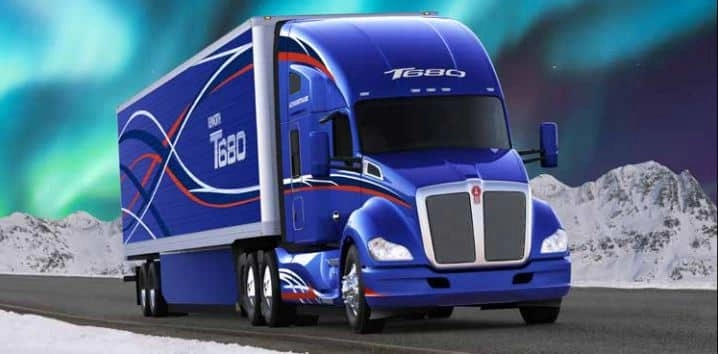
Kenworth’s design philosophy is often described as ergonomic, functional, and driver-focused. The interior of a Kenworth, especially the flagship T680, is a purpose-built environment designed to reduce driver fatigue and maximize productivity.
- Ergonomics: The dash layout, steering wheel controls, and digital displays are meticulously engineered to be within easy reach and sight.
- Quiet and Smooth Ride: Kenworth is renowned for its superior cab insulation and advanced suspension systems. This results in an exceptionally quiet ride with minimal vibration, which is a significant factor in reducing long-haul fatigue.
- Smart, Practical Features: From the ample storage solutions to the rotating passenger-side "workstation" table and the fully integrated sleeper controls, every feature feels like it was designed by someone who has actually spent a week on the road.
Peterbilt: The Luxury Choice
Peterbilt has built its reputation on premium materials, high-end customization, and brand prestige. The interior of a Peterbilt, particularly the 579, often feels more like a luxury vehicle.
- Fit and Finish: Peterbilt is known for its use of high-end materials, wood-grain finishes, and stitched-leather-style trim. The fit and finish are exceptional.
- Spacious Cabs: Models like the 579 with the UltraLoft sleeper are famous for their sheer size, offering massive headroom and a very open, residential feel.
- Customization: Peterbilt has long been the favorite of owner-operators who want to personalize their rig. They offer a wide array of chrome options, interior colors, and "show truck" features.
The Verdict: If you value a quiet, smooth, and ergonomically perfect work environment, Kenworth often has the edge. If your priority is a luxurious, spacious, and highly customized interior with a premium feel, Peterbilt is a strong contender.
Total Cost of Ownership (TCO): The Business Decision
The Kenworth vs Peterbilt debate isn't just about feel; it's about dollars and cents. Here, the two brands present two different, but equally valid, business cases.
Upfront Cost and Fuel Economy
- Kenworth: Generally, a new Kenworth may have a slightly lower upfront purchase price compared to a identically spec'd Peterbilt. More importantly, Kenworth has invested heavily in aerodynamics, especially with the T680. This relentless focus on aero often gives it a slight but measurable edge in fuel economy over a long-haul duty cycle. Over millions of miles, this can add up to significant savings.
- Peterbilt: A Peterbilt often comes with a premium price tag, reflecting its high-end interior components and brand image.
Maintenance and Reliability
Because both brands share the same core powertrain components, their fundamental reliability and maintenance schedules are nearly identical. Both are exceptionally reliable trucks.
A minor difference can be found in long-term repairs. Kenworth's focus on functional design can sometimes make components more accessible, potentially reducing labor time. Conversely, replacing premium, high-cost trim pieces in a Peterbilt cab can be more expensive if damaged.
Resale Value
This is Peterbilt's trump card. Peterbilt trucks, especially the classic-styled models, are famous for holding their value better than almost any other truck on the market. Their desirability among owner-operators in the used market means you will likely get a larger percentage of your initial investment back at trade-in time.
The Verdict:
- Kenworth often presents a lower Total Cost of Ownership (TCO). It wins by inches with a lower initial cost and a slight-but-constant advantage in fuel efficiency.
- Peterbilt often presents a lower Total Cost of Acquisition. The higher resale value means that while you pay more upfront, you get much of it back, lowering the net cost of the truck over its lifespan.
The Verdict: Which Truck Is Right for You?
So, who wins the Kenworth vs Peterbilt battle? The answer depends entirely on your business model.
- You should choose Kenworth if...
- You are a fleet manager or owner-operator focused on maximizing TCO.
- You prioritize fuel efficiency as a key performance metric.
- You believe a quiet, smooth, and ergonomic cab is the key to driver comfort and retention.
- You want a truck that is the pure definition of a reliable, high-performance workhorse.
- You should choose Peterbilt if...
- You are an owner-operator who values brand prestige and customization.
- Your business model relies on maximizing resale value at the end of the truck's life.
- You prefer a luxury, high-end interior with premium materials.
The World's Best Awaits at Wallwork Truck Center
While both brands are undeniably great, at Wallwork Truck Center, we've built our business around the brand we believe offers the best all-around package for the modern trucking industry: Kenworth.
We believe that Kenworth's unparalleled blend of industry-leading fuel efficiency, legendary reliability, and a driver-centric cab designed for the realities of the long haul makes it "The World's Best."
But don't just take our word for it. The best way to end the debate for yourself is to get behind the wheel. We invite you to visit Wallwork Truck Center to explore the Kenworth T680 and other models. Let us show you what "The World's Best" feels like.
Give us a call or stop by if you’d like to schedule a test drive or speak with our team to configure a Kenworth for your specific application.