


Kenworth T880 vs. Volvo VHD: Severe-Duty Performance Evaluated
May 19, 2026 - 8:41:38 am
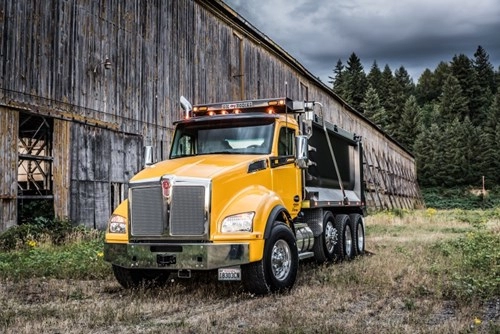
When your daily route involves navigating deeply rutted excavation sites, delivering heavy aggregates, or hauling equipment into tight logging camps, a standard highway truck will not survive. Severe-duty applications require specialized chassis engineering, unmatched structural rigidity, and exceptional maneuverability. In this high-stakes arena, fleet managers consistently weigh the capabilities of two vocational titans: the Kenworth T880 vs. Volvo VHD.
Both models are engineered specifically to conquer off-highway punishment. However, their distinct approaches to cab construction, steering geometry, and front-end protection offer different advantages on the job site.
As a certified Kenworth dealership, Wallwork Truck Center understands the technical nuances that determine whether a truck thrives in the mud or spends its life in the repair bay. This technical breakdown evaluates the severe-duty performance of both machines.
Severe-Duty Technical Definitions
To understand the engineering behind these trucks, it is essential to define the critical components that separate severe-duty vehicles from standard commercial trucks.
Definition: What is a Set-Back Front Axle (SBA)?
A Set-Back Front Axle configuration positions the steer axle further behind the front bumper compared to a traditional layout. This engineering choice shifts more payload weight onto the front suspension (maximizing legal load distribution) while simultaneously allowing the front wheels to pivot at a sharper angle, drastically decreasing the truck's turning radius.
Definition: What is a Swept-Back Vocational Bumper?
A swept-back bumper features angled outer edges that taper toward the front tires, rather than wrapping squarely around the front of the truck. This design prevents the bumper from digging into the dirt when approaching steep inclines or descending into deep ruts, significantly improving the vehicle's approach angle and ground clearance.
Definition: What is Cab-to-Frame Isolation?
Cab-to-frame isolation refers to the specialized mounts, bushings, and air-ride systems that connect the passenger cab to the steel frame rails. In severe-duty applications, the frame is designed to flex and twist under extreme loads. Proper isolation ensures this violent kinetic energy is absorbed before it reaches the cab, protecting both the driver and the cab's structural integrity.
Maneuverability in Tight Sites: Steering Geometry
A severe-duty truck is useless if it cannot physically navigate into the loading zone. Whether backing a dump box up to a paver or squeezing a roll-off bin into a narrow urban alley, maneuverability directly impacts cycle times and profitability.
Kenworth T880 Maneuverability
The Kenworth T880 dominates in tight quarters due to its highly optimized steering geometry.
- Wheel Cut: By utilizing a set-back front axle and intelligently routing steering gears away from the tires, the T880 achieves an industry-leading wheel cut. This allows the truck to pivot sharply, turning in a significantly tighter circle than many of its competitors.
- Visibility: The T880 features a steeply sloped hood and a massive panoramic windshield. This provides the driver with an exceptional forward line of sight, making it easier to avoid ground-level obstacles, rebar, and trenches that could cause tire blowouts or chassis damage.
Volvo VHD Maneuverability
The Volvo VHD also utilizes a set-back front axle configuration to improve job site navigation.
- Volvo Dynamic Steering (VDS): Volvo’s proprietary steering system uses an electric motor mounted on top of the hydraulic steering gear to reduce the physical effort required by the driver. While this reduces fatigue at low speeds, the Volvo VHD generally requires a slightly wider turning radius compared to the aggressively angled Kenworth T880, making the Kenworth the preferred choice for the tightest urban construction zones.
Front-End Protection: Vocational Bumper Options
In severe-duty environments, the front bumper is a battering ram, a protective shield, and a crucial mounting point for towing.
Kenworth T880 Bumper Configurations
Kenworth engineers understand that damage on a job site is inevitable, so they designed the T880’s front end to be both indestructible and easily repairable.
- Multi-Piece Design: The T880 can be equipped with a heavy-duty, multi-piece steel bumper. If the outer corner of the bumper is damaged against a concrete barrier, fleet managers only need to replace that specific section rather than the entire bumper assembly, drastically reducing repair costs.
- Swept-Back Ground Clearance: The swept-back steel options provide an aggressive approach angle, ensuring the truck can tackle steep, muddy inclines without the bumper acting as a plow.
- Center Tow Hook: The T880 features a highly accessible center tow pin perfectly integrated into the frame, capable of handling the immense pulling force required to extract a fully loaded truck from deep mud.
Volvo VHD Bumper Configurations
The Volvo VHD features a heavily reinforced, heavy-duty steel bumper designed for high impact. It incorporates an integrated center tow pin rated for up to 80,000 pounds of pulling force. While highly durable, its design often presents a slightly lower approach angle compared to the extreme swept-back options available on the Kenworth T880.
Surviving the Twist: Cab Durability Under Severe Stress
When a truck is fully loaded and traversing uneven, off-camber terrain, the steel frame rails are forced to twist. If the cab is rigidly attached to the frame, this torsional stress will tear the cab apart, leading to water leaks, popping windshields, and rattling doors.
Kenworth T880: Stamped Aluminum Dominance
The Kenworth T880 is built to outlast the harshest conditions, starting with its cab architecture.
- Stamped Aluminum Construction: The 2.1-meter cab is constructed from stamped aluminum panels. Aluminum is inherently lighter than steel and entirely resistant to the rust and corrosion caused by winter road salt and acidic job site mud.
- Henrob Fasteners: Instead of traditional rivets or welds that can crack under stress, Kenworth utilizes Henrob self-piercing fasteners. These provide a permanent, clamp-force bond that maintains cab rigidity over decades of abuse.
- Advanced Isolation: The T880 uses specialized heavy-duty cab mounts that allow the Huck-bolted frame to twist and flex beneath the cab without transferring that destructive energy upward. This keeps the doors aligned and the windshield intact, even when the chassis is violently articulated.
Volvo VHD: High-Strength Steel
The Volvo VHD utilizes a cab constructed from High-Strength Steel (HSS).
- Safety Focus: Volvo’s steel cab is designed with stringent safety standards in mind and is highly durable.
- The Weight and Corrosion Trade-Off: While the steel cab is incredibly strong, it is heavier than the T880's aluminum cab, which reduces total payload capacity. Furthermore, despite advanced paint and coating processes, steel remains more susceptible to long-term rust in corrosive vocational environments than Kenworth's aluminum alternative.
The Verdict: Spec'ing Your Severe-Duty Workhorse
When analyzing the Kenworth T880 vs. Volvo VHD, it is clear that both are formidable severe-duty machines capable of extreme heavy hauling.
However, for operations that demand the absolute tightest turning radius, superior rust resistance, and the lowest long-term maintenance costs, the Kenworth T880 stands apart. Its stamped aluminum cab, multi-piece swept-back bumper, and highly articulated steering geometry make it the ultimate tool for conquering the most unforgiving job sites.
At Wallwork Truck Center, we don't just sell commercial vehicles; we engineer solutions. Our vocational truck experts are ready to help you spec the perfect Kenworth T880 frame, axles, and cab configurations to maximize your severe-duty profitability. Contact us today to build your next heavy-duty workhorse.