


Heavy-Duty Truck Maintenance: The Complete Preventive Guide for Commercial Fleets
March 10, 2026 - 8:22:49 am
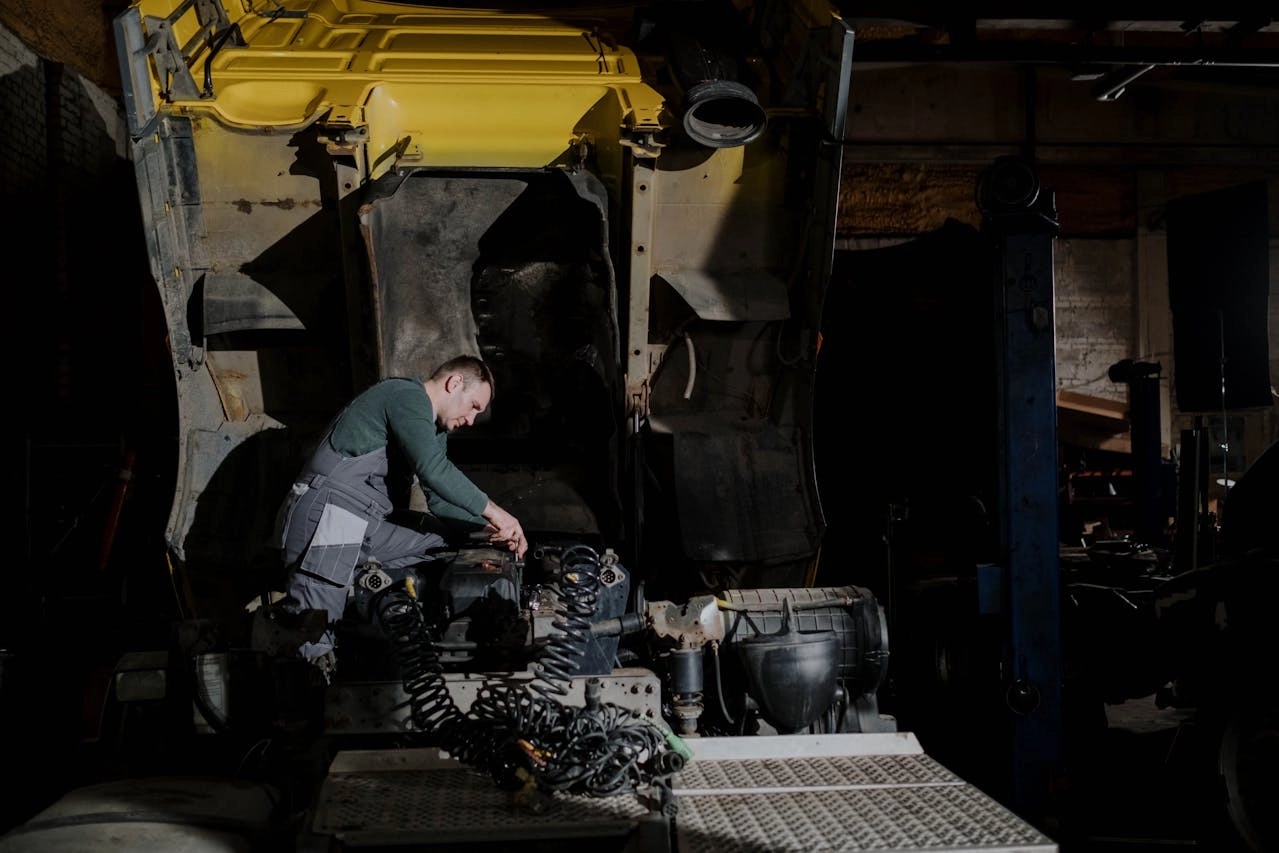
In the commercial transport industry, a truck only makes money when the wheels are turning. For fleet managers and owner-operators, downtime isn't just an inconvenience—it is a direct hit to the bottom line. Every hour a Kenworth or Ford heavy-duty truck sits idle due to an unscheduled repair is an hour of lost revenue, delayed deliveries, and potential damage to your professional reputation.
Proactive truck maintenance is the backbone of any profitable fleet operation. By transitioning from a "break-fix" reactive mindset to a structured preventive maintenance (PM) program, you can significantly reduce operating costs, ensure DOT compliance, and extend the lifespan of your most valuable assets.
This guide provides a comprehensive roadmap for maintaining heavy-duty commercial vehicles to peak industry standards.
Why Heavy-Duty Truck Maintenance Is Critical for Fleets
Reliability is the currency of the logistics world. Whether you are managing a local delivery fleet of Ford trucks or a national line-haul operation utilizing Kenworth rigs, consistent maintenance offers several high-level business advantages:
- Prevents Roadside Breakdowns: Emergency towing and roadside repairs cost three to four times more than scheduled shop visits.
- Improves Fuel Efficiency: Well-maintained engines and properly aligned chassis consume significantly less fuel.
- Ensures DOT Compliance: Regular inspections keep you ahead of roadside inspectors, preventing costly fines and "out-of-service" orders.
- Extends Component Lifespan: Modern diesel engines are designed for longevity, but only if their complex cooling and lubrication systems are cared for.
- Protects Resale Value: A documented service history from a reputable provider like Wallwork Truck Center dramatically increases the trade-in value of your equipment.
Daily Pre-Trip & Post-Trip Inspections (DOT Focused)
The first line of defense in truck maintenance is the driver. Federal regulations require daily inspections, but beyond legalities, these checks identify minor issues before they escalate into catastrophic failures.
Critical Inspection Points:
- Air Brake System: Check for leaks, listen for audible air drops, and ensure the compressor cuts in and out at the correct PSI.
- Tires: Inspect for adequate tread depth (4/32” for steers, 2/32” for others) and look for sidewall damage or irregular wear patterns.
- Lights and Reflectors: Ensure all LED markers, turn signals, and high beams are functional for night-time safety.
- Suspension: Look for cracked leaf springs, leaking shock absorbers, or worn bushings.
- Fluid Levels: Check engine oil, coolant, power steering fluid, and DEF levels daily.
- Coupling Devices: Inspect the fifth wheel for proper lubrication and ensure the locking jaws are secure.
Preventive Maintenance Schedule for Heavy-Duty Trucks
While every operation is unique, following a structured mileage-based or hour-based interval is essential. Leading manufacturers like Kenworth and Ford provide specific guidelines that should serve as your baseline.
| Interval | Key Service Tasks |
|---|---|
| Every 15,000–25,000 Miles | Engine oil and filter change; Fuel filter replacement; Chassis lubrication (greasing zerks); Brake stroke measurement. |
| Every 50,000–75,000 Miles | Transmission fluid service; Differential fluid check/change; Cooling system pressure test; Professional wheel alignment. |
| Every 100,000+ Miles | Turbocharger health check; Valve lash adjustments; DPF (Diesel Particulate Filter) cleaning; Suspension component replacement. |
Pro Tip: If your trucks operate in extreme cold, heavy dust, or frequent stop-and-go city traffic, you should shorten these intervals by 20% to account for increased engine stress.
The Most Expensive Commercial Truck Repairs
Skipping a $500 service today can lead to a $15,000 bill tomorrow. Understanding the "Big Failures" helps illustrate the value of truck maintenance.
- Engine Rebuilds: Often caused by neglected oil changes or cooling system failures.
- Transmission Failure: Overheating or old fluid can lead to gear synchronization issues.
- Turbocharger Damage: Carbon buildup or oil starvation can seize a turbo, leading to a massive loss of power and high repair costs.
- DPF System Issues: The aftertreatment system is sensitive. If not cleaned or forced into regeneration properly, it can "face-plug," requiring a full replacement.
- Brake System Failure: Worn drums and S-cams aren't just expensive to fix; they are a major safety liability.
Fuel Efficiency & Maintenance Connection
Your maintenance department is secretly your fuel-saving department. Even a small 5% improvement in fuel economy across a 20-truck fleet can save tens of thousands of dollars annually.
- Air Filters: A clogged filter restricts airflow, forcing the engine to burn more fuel to maintain power.
- Fuel Injectors: Dirty injectors create an uneven spray pattern, leading to incomplete combustion.
- Wheel Alignment: If your wheels are "scrubbing" the road, your engine is working harder to overcome that unnecessary friction.
- Tire Pressure: Underinflated tires are the leading cause of poor rolling resistance.
Fleet Maintenance Management Best Practices
To move from small-scale repairs to professional fleet management, implement these strategic pillars:
- Digitize Your Records: Use fleet management software to track every bolt turned on every truck. This provides a "health " for each VIN.
- Standardize Checklists: Ensure every mechanic and driver is looking for the same issues by using standardized digital or paper forms.
- Predictive Over Reactive: Use telematics to monitor engine fault codes in real-time, allowing you to schedule a shop visit before the check engine light turns into a derate mode.
- Driver Reporting: Train drivers to report "soft symptoms"—like a new vibration or a slight change in exhaust smell—immediately.
DOT Compliance & Safety Inspections
The Department of Transportation (DOT) requires an annual inspection, but a truly compliant fleet is "inspection-ready" every day. Failing a roadside inspection doesn't just result in a fine; it affects your CSA (Compliance, Safety, Accountability) score, which can lead to higher insurance premiums and more frequent "random" stops.
Maintaining detailed records of all truck maintenance—including receipts for parts and labor—is required by law to be kept for at least one year (and six months after the vehicle leaves your control).
Owner-Operator vs. Large Fleet Strategy
The approach to truck maintenance varies depending on the size of the business, but the goal remains the same: uptime.
- Owner-Operators: Often take a "hands-on" approach. While you might handle minor light changes or greasing yourself, partnering with a certified center like Wallwork Truck Center for major engine diagnostics ensures your Kenworth or Ford stays within warranty and runs at peak performance.
- Large Fleets: Focus on scalability. They utilize data-driven scheduling to ensure that only a small percentage of the fleet is in the shop at any given time, maintaining high operational capacity.
Conclusion: Maintenance is an Investment, Not an Expense
In the competitive world of commercial trucking, the most successful companies are those that view truck maintenance as a strategic investment. Preventive care protects your profit margins, keeps your drivers safe, and ensures your fleet remains on the road for the long haul.
Whether you're running a single rig or a massive regional fleet, consistency is the key to longevity.
Ready to optimize your fleet's performance?
At Wallwork Truck Center, we specialize in comprehensive service programs for Ford and Kenworth trucks. From routine oil changes to complex engine diagnostics and DOT inspections, our technicians are here to keep your business moving.
Contact us today to schedule a fleet maintenance consultation or a routine service check!